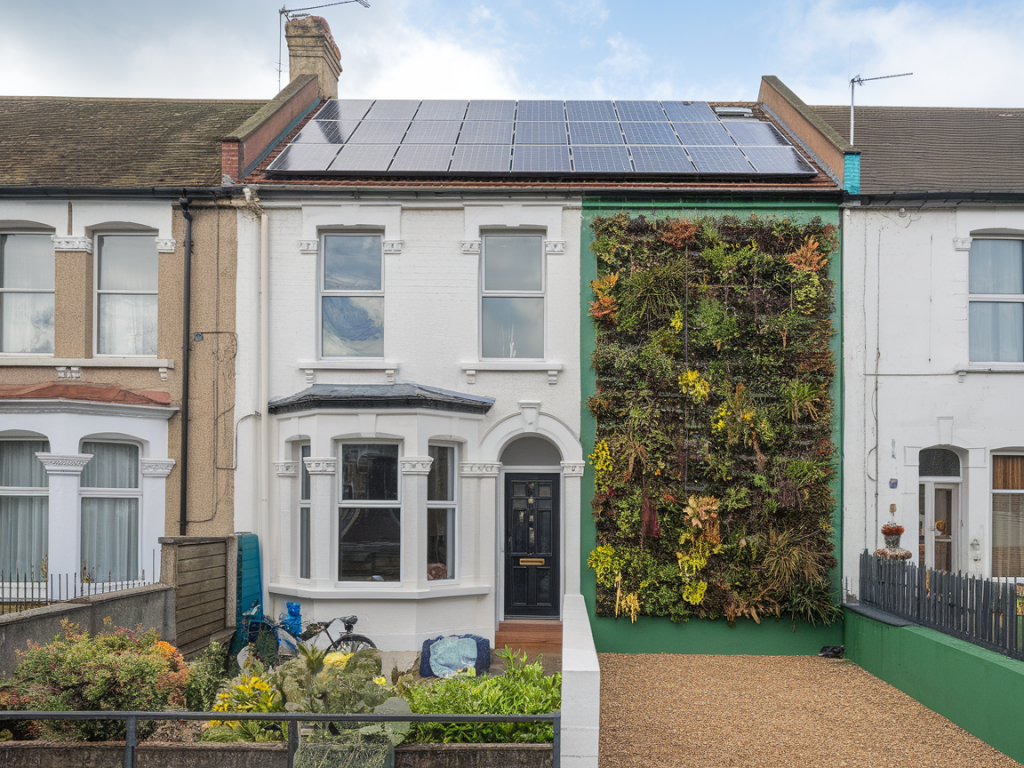
When I moved into a Victorian terraced house a few years ago, I quickly realised that charm often comes with a hefty energy bill and a sizeable carbon footprint. These homes are beautiful, but their solid brick walls, single-glazed sash windows and often-draughty chimneys make them inefficient by modern standards. Over time I've experimented with and researched retrofit measures that actually deliver meaningful carbon and cost savings, and I want to share what I've learned so you can prioritise the changes that give the best return for your money and for the planet.
Understanding the baseline: where the energy goes
Before spending a penny, it's useful to understand why Victorian terraces lose so much energy. In my experience the main culprits are:
- Heat loss through walls: Solid brick walls can transfer heat quickly without insulation.
- Single-glazed windows: Sash windows are lovely but leak heat and let in drafts.
- Air leaks: Gaps around skirting boards, doors, loft hatches and chimneys cause significant draughts.
- Old heating systems: Boilers and radiators that are oversized or inefficient, and poor controls, waste both fuel and money.
- Uninsulated lofts and floors: Roofs and suspended timber floors are major heat loss pathways.
Which retrofit measures give the biggest carbon and cost savings?
From my practical projects and conversations with retrofit professionals, a few measures consistently stand out for delivering large carbon reductions and reasonable payback times. Here are the most impactful, in the order I’d usually recommend them.
1. Loft insulation
Loft insulation is the low-hanging fruit. In one of my early retrofits, adding 270mm of mineral wool to the loft reduced heating demand noticeably. It's cheap to install, usually eligible for local grants, and often pays back within a couple of years through lower gas bills. Carbon savings per pound spent are high because roofs account for a large share of heat loss.
2. Draught-proofing
Draught-proofing doors, windows (where appropriate), skirting boards and loft hatches is inexpensive and immediately improves comfort. I recommend careful draught-proofing rather than indiscriminate sealing. For example, working sash windows will benefit from brush seals rather than rigid stops to preserve functionality and prevent moisture issues. It’s a small investment for quick savings and better indoor comfort.
3. Heating controls and boiler upgrade
Improving controls—thermostatic radiator valves (TRVs), a smart thermostat like Nest or Hive, and proper zone control—can reduce gas consumption by 10–20% without changing the boiler. If your boiler is old (<10 years and inefficient), replacing it with a modern condensing boiler or considering a hybrid heat pump system will cut emissions further. I’ve found that adding good controls often costs less than expected and makes the whole house feel more responsive to occupants’ needs.
4. Wall insulation (internal or external)
Insulating solid walls gives the biggest long-term carbon savings in a Victorian house, but it’s also one of the more disruptive and costly measures. You have two main options:
- Internal wall insulation (IWI): Less expensive than external, but reduces room size and requires careful detailing around cornices, skirting and services.
- External wall insulation (EWI): Maintains internal space, improves thermal mass performance and is often more effective overall, but it alters the building façade and is pricier.
In my projects, if the street appearance allows (and planning permission isn’t an obstacle), EWI can be a fantastic long-term investment for both carbon savings and comfort. IWI is a good compromise when conservation rules restrict changes to the outside.
5. Window upgrades and secondary glazing
Replacing original sash windows with modern double glazing is often controversial due to heritage concerns. For many Victorian terraces, secondary glazing or slim-profile double glazing that retains the sash appearance strikes the best balance between conservation and performance. Secondary glazing significantly reduces heat loss and noise with a fraction of the cost and disruption of full window replacement.
6. Floor insulation
If your terrace has suspended timber floors, insulating under the floor or adding insulation between joists can cut heat loss and improve comfort. For solid floors, insulation needs to be tackled with care (and often during a refurbishment) but can yield good results, especially when combined with underfloor heating upgrades.
Cost vs carbon: a simple comparison
Below is a compact table summarising typical relative costs, carbon savings and practicality based on projects I’ve worked on and industry averages. These are approximate and will vary by house, region and materials.
| Measure | Relative Cost | Carbon Reduction (relative) | Disruption |
|---|---|---|---|
| Loft insulation | Low | High | Low |
| Draught-proofing | Very low | Medium | Very low |
| Heating controls & boiler upgrade | Low–Medium | Medium–High | Low–Medium |
| Internal wall insulation | Medium | High | Medium |
| External wall insulation | High | Very high | High |
| Secondary glazing | Low–Medium | Medium | Low |
| Floor insulation | Medium | Medium | Medium |
How I prioritise upgrades (my decision tree)
When advising homeowners or planning my own work I follow a simple logical order:
- Address easy wins first: loft insulation and draught-proofing.
- Improve controls and replace inefficient heating plant if needed.
- Progress to building fabric measures: floors, windows, then walls.
- Consider low-carbon heating alternatives (heat pumps) after reducing demand—smaller heat loads mean smaller, cheaper systems.
This approach reduces the required size of any new heating system and ensures money is spent where it delivers maximum carbon and cost reductions.
Practical tips and pitfalls I've learned
- Always consider moisture and ventilation: insulating without addressing ventilation can create damp issues. Mechanical ventilation with heat recovery (MVHR) can be beneficial in very airtight retrofits.
- Check for grants and local funding—there are often schemes to help with wall insulation or heat pumps.
- Work with retrofit coordinators or PAS 2035 certified installers where possible; proper details and whole-house thinking avoid costly mistakes.
- Don’t assume the most expensive option is always best—sometimes a combination of modest measures leads to the greatest real-world savings.
Retrofit is an investment in comfort, resilience and lower bills as well as lower carbon. If you want, I can help you map a retrofit plan for a specific Victorian terrace—tell me about the house (wall type, windows, current heating) and I’ll sketch a prioritised pathway that balances cost, disruption and carbon savings.