I’ve been following community solar projects for years, and every time I talk to homeowners or tenants the same questions pop up: can community solar actually cut my household bills? Who truly benefits — the subscribers, developers, or utilities? In this article I’ll walk you through how community solar works, where the savings come from, the trade-offs, and who tends to win or lose when these projects roll out.
What is community solar and how does it differ from rooftop solar?
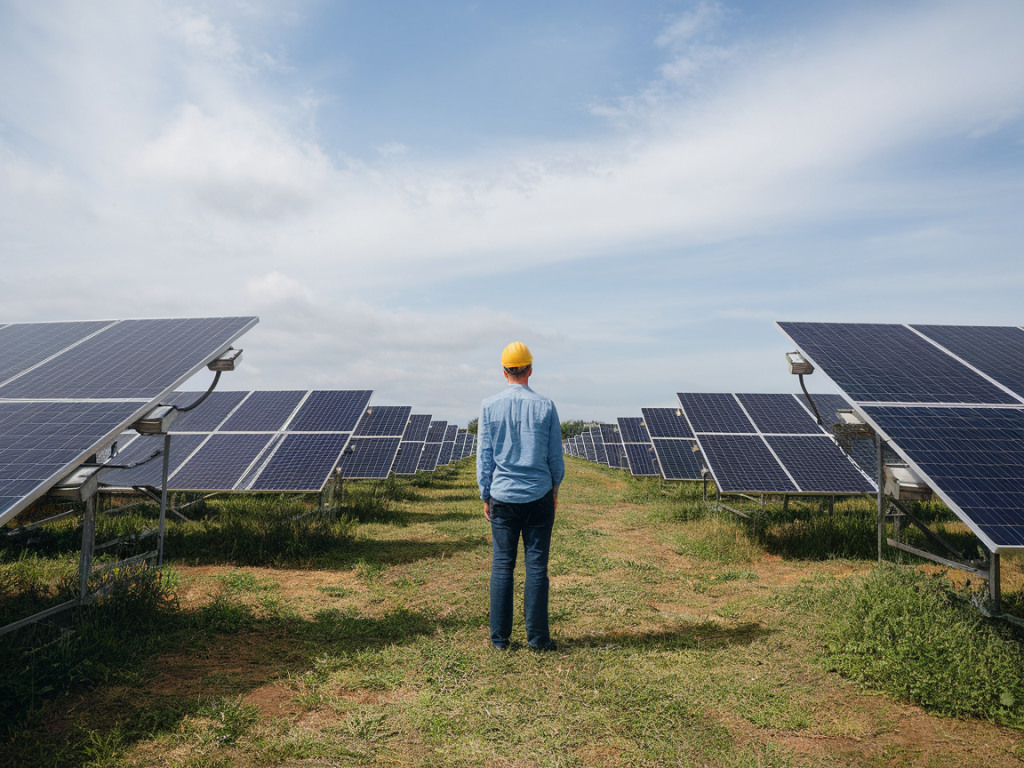
Community solar — sometimes called shared solar or solar gardens — allows multiple households or businesses to subscribe to a single, centralized solar array located off-site. Instead of installing panels on your roof, you buy or lease a portion of the output (or subscribe to it), and your electric bill is credited for your share of the generation through a mechanism called virtual net metering or bill credits.
Compared with rooftop solar, community schemes lower barriers: no need for a rooftop in good condition, no upfront installation hassles, and often a simpler enrollment process. That makes community solar especially appealing for renters, people with shaded roofs, or homeowners on historic properties where panels aren’t allowed.
How do savings actually happen?
At the core, savings from community solar come from two places:
Here’s a simplified example. If your home uses 600 kWh/month and your community solar share produces credits equivalent to 150 kWh, those 150 kWh will be subtracted from your bill. If your subscription includes a 10% savings on the credited amount, you effectively pay 90% of the retail value of that 150 kWh.
However, the size of the savings depends on program design, local electricity prices, and how crediting works in your state or country. In some places, credits are at full retail rate; in others, they’re pegged to the utility’s avoided cost or a lower wholesale-esque price.
Who benefits from community solar?
Short answer: everyone — but to different degrees.
That said, who really captures the majority of value varies. In well-regulated markets with strong consumer protections, households tend to secure meaningful savings. In other markets, developers or investors might capture most margins, especially when programs allow for minimal pricing transparency.
Are there downsides or hidden costs?
Yes. Community solar is not automatically a bargain for everyone.
How much can you realistically save?
That depends. In my experience covering multiple projects across the UK and internationally, a reasonable range for many subscribers is 5–20% off the portion of their bill covered by the community solar credits. This translates to roughly 2–8% off a whole household bill, depending on how much of your usage is offset by the project.
Key factors that change the math:
Who should consider joining a community solar project?
I recommend community solar for:
If you're after maximum financial returns from solar, rooftop ownership with incentives and low installation costs can outperform community subscriptions in some regions. But rooftop ownership comes with responsibilities and upfront costs that community solar avoids.
How to evaluate an offer
When I evaluate a community solar subscription, I look for these signals:
| Factor | What to ask |
|---|---|
| Credit value | Is it retail, avoided cost, or a fixed price per kWh? |
| Discounts | Is the discount guaranteed for the whole contract? Any escalator? |
| Cancellation | What are early termination terms and transferability? |
| Host site | Where is the array located and who maintains it? |
Policy and equity considerations
One of the reasons I cover renewable projects closely is because policy design matters. Well-designed community solar programs can target low-income households with deeper discounts, create community ownership models, and prioritize local job creation. Poorly designed programs can become a vehicle for investor profits with minimal local benefit.
Look for schemes that include:
Real-world examples
Across the UK and Europe, community solar is still developing compared with the US, but projects tied to energy suppliers or community energy groups are growing. In the US, programs in states like Minnesota, New York, and Massachusetts often offer strong crediting and real value. I’ve seen community energy co-ops deliver both savings and a sense of ownership to members — something money alone can’t buy.
If you’re exploring options, check local initiatives listed on community energy networks and reputable suppliers. At Energy News I often highlight new projects and their terms so readers can compare offers in their area.
Ultimately, community solar can cut household bills and broaden access to clean energy — but the degree of benefit depends on program design, local policy, and the specifics of each subscription. Read the contract, ask the right questions, and look for programs that prioritize transparency and community value.