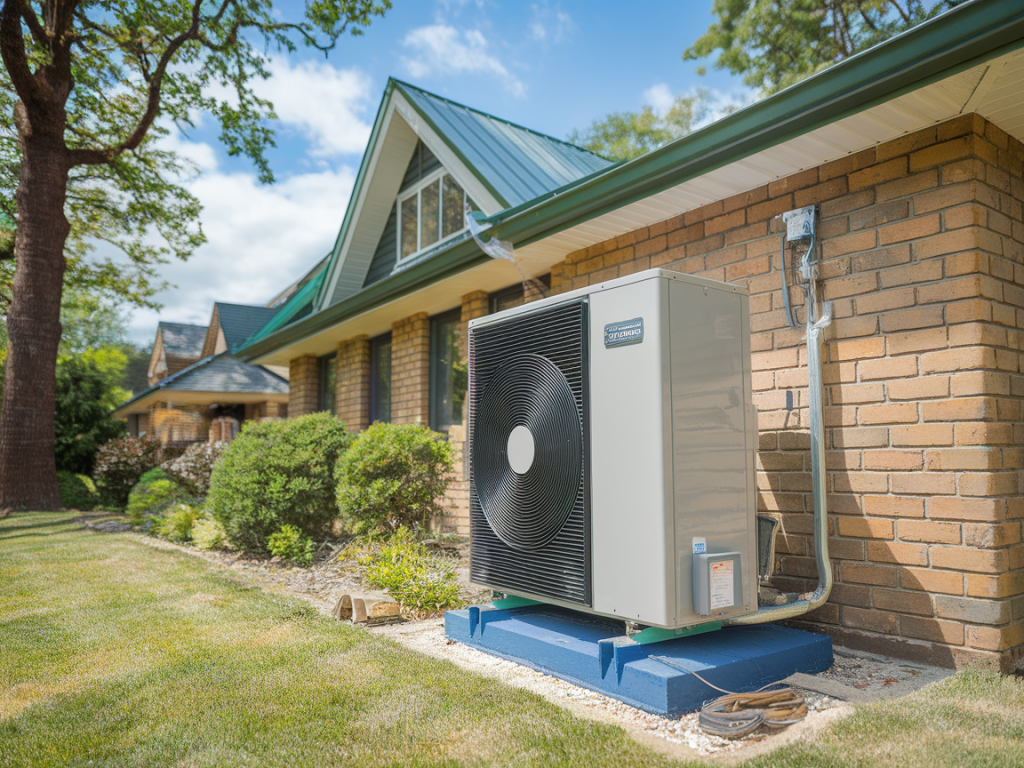
I’ve been following household energy choices for years, and one trend I keep returning to is the steady move by UK homeowners away from pure gas boilers towards hybrid heat pump systems. I’ve spoken with installers, read case studies, and seen the data that explain why many people are making this change now rather than later. Below I share what I’ve learned, based on real conversations and practical experience, and the key things I’d check before committing to a switch.
Why homeowners are choosing hybrid heat pumps
At its simplest, a hybrid heat pump system pairs an air-source (or ground-source) heat pump with a gas (or sometimes LPG) boiler. The heat pump handles low-to-medium temperature heating most of the time, while the boiler kicks in for peak demand or fast hot water recovery. That combination hits a sweet spot for many UK homes.
Here are the reasons I see most often:
Lower running costs—potentially. Heat pumps are much more efficient than gas boilers: they move heat rather than burn fuel, so they can deliver 2–4 kWh of heat per kWh of electricity used (COP varies). For households able to run most heating on the heat pump, bills can fall—especially if you’ve taken steps to reduce heat demand.Smoother transition away from gas. Many homeowners want to reduce their carbon footprint but are worried about the disruption and cost of a full heat-pump-only retrofit. Hybrid systems allow you to keep the boiler as a safety net; you don’t need to rip out existing radiators or immediately upgrade all heating controls.Better performance in older homes. UK houses with modest insulation and existing radiators can struggle with low-flow-temperature heat pumps. A hybrid lets the heat pump manage the baseline heat while the boiler handles peak cold spells or homes with high hot-water demand.Access to incentives and installer support. Government-backed schemes and local incentives (for example the Boiler Upgrade Scheme and ECO-style programmes at various times) have encouraged uptake. Installers also offer hybrid packages that simplify commissioning and servicing.Carbon reduction without huge upfront risk. Even if electricity isn’t perfectly green yet, running the heat pump reduces gas use and associated emissions. For many homeowners that incremental reduction is compelling.Key questions to ask before switching
If you’re considering a hybrid, these are the questions I would put to the installer and think through myself:
Is my home suitable in its current condition? Start with the building fabric. Loft and wall insulation, good double glazing, and draught-proofing reduce the heat demand and make a heat pump work much better. If your house is very leaky or poorly insulated, sort that first.What type of heat pump is right—air or ground? Air-source heat pumps (ASHPs) are usually cheaper to install and more common in UK retrofit work. Ground-source heat pumps (GSHPs) are more efficient but involve gardens and higher installation costs. Hybrid systems are commonly built around ASHPs.How will it work with my radiators? Heat pumps work best with larger radiators or underfloor heating because they run at lower flow temperatures. Ask whether your radiators are adequate or whether you’ll need larger radiators or a buffer tank.Who’ll size and commission the system? Proper design is crucial. Ensure the installer carries out a full heat loss calculation for your house rather than just quoting by floor area. Look for MCS (or equivalent) accredited installers—this matters for performance and guarantees.What happens in very cold weather? Understand when the boiler will automatically take over and how seamless that transition is. Ask about controls and whether the system prioritises comfort, cost, or carbon.What are the real upfront and ongoing costs? Get a full quote showing equipment, installation, any radiator upgrades, cylinder/buffer tank, controls, and maintenance. Typical ASHP+hybrid installs can range widely—check multiple quotes and ask for references.Are there grants or local incentives? Check current government schemes (for example the Boiler Upgrade Scheme previously offered grants) and local authority programmes. Policies change, so always verify on gov.uk or with your installer.Practical checklist before you sign
I always recommend homeowners use a simple practical checklist. Here’s the one I give people:
Have a home energy assessment (heat loss calculation).Get at least three detailed quotes from accredited installers.Confirm product brands, warranties, and service packages (e.g., Worcester Bosch, Vaillant hybrids, Daikin, Mitsubishi Electric, NIBE are common names in the market).Check radiator sizes and consider a buffer tank for smoother operation.Ask about control systems—smart thermostats, weather compensation, and whether they integrate with solar PV if you have it.Verify eligibility for any grants and what paperwork the installer will supply for that.Ensure commissioning tests are included and request a demonstration of how to use the system and app control.Comparing options at a glance
| Feature | ASHP-only | Hybrid (ASHP + Boiler) |
| Upfront cost | Higher | Medium |
| Running costs | Lowest if home well-insulated | Lower than gas-only; depends on switching strategy |
| Installation disruption | Higher (may need radiator/upgrades) | Lower—keeps existing boiler as backup |
| Comfort in peak cold | Depends on system sizing | Boiler ensures rapid response and high flow temps |
| Carbon reduction | Highest | Significant, faster than gas-only |
Common pitfalls and how to avoid them
I’ve seen a few recurring problems that can sour an installation. Here’s how to avoid them:
Poor sizing and design: Don’t let an installer simply match by load area or copy the old boiler’s output. Good installers will model your home’s heat demand by room and season.Underinvesting in controls: Smart controls and weather compensation make heat pumps far more efficient. Budget for decent controls (e.g., proprietary systems from the heat pump manufacturer or third-party smart thermostats).Ignoring maintenance: Heat pumps need annual checks even if they’re low-maintenance. Factor in service contracts similar to a boiler service.Not planning for hot water: If you’re on a combi boiler, moving to a hybrid may require a cylinder or different plumbing to ensure hot-water performance. Clarify that in your quote.What I recommend doing next
If you’re seriously considering a hybrid: start with an energy assessment, get multiple quotes from certified installers, and ask for case studies of similar homes. If you have solar PV, ask how the heat pump can be scheduled to use daytime solar output—this can boost savings and reduce your grid electricity use.
Switching to a hybrid heat pump isn’t a one-size-fits-all decision, but for a lot of UK homes it’s a practical, lower-risk path to lower bills and lower carbon. Ask the right questions, demand evidence of good design, and treat insulation and controls as part of the investment—not optional extras.