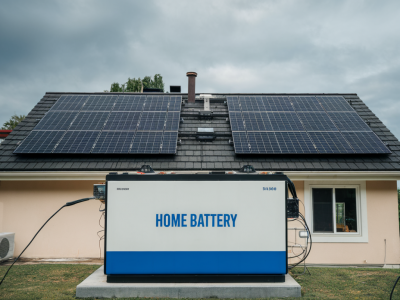
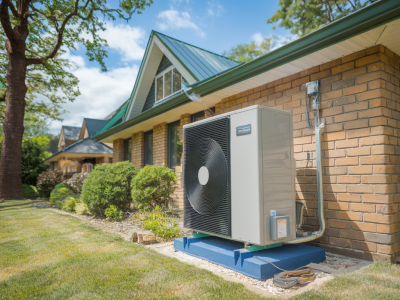
Renting shouldn't mean resigning yourself to high energy bills and chilly rooms. Over the years I've negotiated numerous energy-efficient retrofits with landlords — from simple LED upgrades to cavity wall insulation and heat pump installations — and I want to share what worked, what didn't, and the practical steps you can take to get the improvements you need.
Why negotiate rather than demand?
As a tenant, you rarely have the unilateral power to order major works. But I learned early on that landlords often respond to clear, well-evidenced requests that show mutual benefit: improved property value, lower void periods between tenants, and reduced maintenance calls. Approaching retrofit conversations as a partnership — not a confrontation — makes landlords more receptive.
Get your facts straight before approaching the landlord
Preparation is everything. Here’s what I do before I even draft an email:
Check the Energy Performance Certificate (EPC) — know the current rating and what typical upgrades would move it up a band.Estimate potential savings — use simple calculators like the UK Government's Energy Savings Trust or local council tools to estimate annual energy savings and likely payback periods.Collect quotes — getting at least two competitive quotes from trusted installers (for example, a local insulation firm or a certified heat pump installer) strengthens your case.Explore grants and schemes — identify whether the property or landlord can access schemes like ECO (Energy Company Obligation), local authority grants, or interest-free retrofit loans.Document problems — draft a short list of pain points (cold rooms, high bills, damp) and collect evidence like dated photos or past billing statements.Craft a concise, persuasive message
Landlords respond to clear ROI and minimal hassle. My emails follow a simple structure:
Open with appreciation and a note of shared interest in maintaining the property.State the issue and the proposed solution (e.g., "insulate cavity walls and upgrade loft insulation").Attach or reference a short cost/savings summary and quotes.Clarify how the work would be scheduled to minimize disruption and who pays for what.Offer cooperation: "I can coordinate access, obtain tenants' preferences for timing, and liaise with contractors."Here’s a short template I often adapt:
“Hello [Landlord], I hope you’re well. I wanted to discuss an opportunity to reduce energy bills and increase the appeal/value of the property at [address]. A few simple measures — loft insulation and LED lighting — could improve the EPC and save roughly £X/year in energy. I’ve obtained two quotes (attached) and found potential funding through [ECO/local grant], which could cover part of the cost. I’m happy to coordinate contractors and schedule works to suit the tenancy. Would you be open to a brief call to discuss?”
Anticipate common landlord objections
Landlords often raise predictable concerns. Here’s how I address them:
Cost: Present grants, long-term ROI, and the fact that many retrofits increase property value and attract better tenants.Disruption: Offer flexible scheduling (weekday afternoons, when tenants are out) and propose phased work. Highlight installers experienced with occupied properties (e.g., British Gas or local MCS-certified contractors).Responsibility: Refer to lease terms and local regulations. In many cases, structural insulation and heating systems are landlord responsibilities. If the landlord insists on tenant contribution, propose a cost-share or rent adjustment agreement in writing.Decor concerns: Provide reassurance about reinstatement and warranty; suggest minimally invasive options like internal wall insulation only if necessary.Use incentives wisely
Sometimes, offering a small incentive speeds things up. I avoided paying for large works out of pocket, but I have proposed:
Small rent contribution spread monthly (e.g., £5–£10/month) for significant works with long payback.Offering to manage installers and paperwork to reduce landlord admin time.Agreeing to a short rent freeze while works are carried out if the landlord prefers that to paying for logistics.Make any incentive formal: a short written addendum to the tenancy agreement avoids misunderstandings.
Know the legal and policy landscape (UK-focused)
Being aware of regulations gives you leverage. Key points I keep in mind:
Minimum EPC regulations — From 2025 (subject to policy updates), private rented homes in England and Wales will need to meet higher EPC standards (check current deadlines and exemptions).Landlord obligations — Major installations affecting structure or utilities generally fall under landlord responsibility; small tenant-installed measures (e.g., draught excluders) are tenant responsibilities.Funding schemes — The ECO scheme helps low-income households and eligible properties; local authorities and devolved administrations (Scotland, Wales) may run retrofit grants.If a landlord claims ignorance, a polite nudge about upcoming regulatory changes and potential fines (if applicable) often prompts action.
Choose the right retrofit measures to propose
Not every upgrade is suitable. I prioritize measures with high impact, low disruption, and clear payback:
Insulation: Loft and cavity wall insulation are relatively quick and effective.Heating upgrades: Replacing inefficient boilers with A-rated condensing boilers, or where feasible, installing an air-source heat pump.Window and draught-proofing: Secondary glazing or draught-proofing can be low-cost with visible comfort gains.Smart controls and LEDs: Nest or Ecobee thermostats and full LED retrofits cut consumption and are easy to install.Get agreements in writing
Once the landlord agrees, I always ask for a short written addendum that covers:
Scope of works and approved contractors.Who pays and any tenant contributions or rent adjustments.Timetable, working hours, and reinstatement obligations.Warranties and who handles future maintenance.This protects both parties. If funds or grants are involved, include conditions for clawback or repayment if the landlord sells the property soon after.
Be a good on-site partner
During works, be proactive: coordinate access, keep neighbours informed, and treat contractors courteously. Landlords notice tenants who make retrofit projects painless — and they’re more likely to approve future improvements.
If negotiations stall
If a landlord refuses outright, you still have options:
Ask for a formal written refusal and the reasons — this can reveal misperceptions you can address.Escalate politely — involve a letting agent, local MP, or council’s energy efficiency team if there are health-related risks (damp, mould, dangerously low temperatures).Consider small, tenant-funded measures that don’t breach the lease — LED bulbs, smart thermostats with landlord consent, draft excluders.Tools and resources I use
| Resource | Why I use it |
| Energy Saving Trust calculators | Estimate savings and payback for measures |
| Local authority retrofit teams | Find grants and ECO referral contacts |
| Certified contractors (MCS, TrustMark) | Ensure quality work and access to incentives |
| EPC register | Check existing rating and suggested improvements |
Negotiating energy-efficient retrofits is often a matter of preparation, clear communication, and framing the proposal as mutually beneficial. Approach landlords with data, reasonable solutions, and an offer to manage the process — you’ll be surprised how often they say yes.