I’ve worked with dozens of UK homes considering a heat pump retrofit, and the same questions always come up: “Is my house suitable? How invasive will it be? What should I sort out before the installer comes?” Below I’ve put together a practical, hands-on checklist to help you figure out whether your home is ready for a heat pump, what work you might need first, and what to expect during the transition. I write from the perspective of someone who’s guided homeowners through this process — so you’ll get the real-world small-print as well as the technical highlights.
Why readiness matters
Heat pumps work best when a house is already energy-efficient. If your home wastes heat, a heat pump has to work harder and your running costs and comfort will suffer. Preparing your property first often means a smaller, cheaper heat pump and better long-term performance. I always tell people: treat the heat pump like the final piece of the insulation puzzle, not the starting point.
Quick readiness summary
| Key area | What I look for | Ready? |
|---|---|---|
| Insulation | Loft insulated to 270mm+, cavity or solid wall measures in place | Yes / No |
| Windows | Double or triple glazing, draught-proofing | Yes / No |
| Heating distribution | Radiators size & condition; possibility for underfloor heating | Yes / No |
| Hot water | Insulated cylinder or combi option determined | Yes / No |
| Outdoor space & planning | Space for outdoor unit, noise considerations, permissions | Yes / No |
Insulation: the non-negotiable first step
Before I’d recommend any heat pump, I check the insulation. In my experience, homes with poor insulation quickly reveal themselves: cold spots, high bills, and frustrated owners. For heat pumps, aim for:
- Loft insulation: 270mm+ of mineral wool or equivalent is the UK guideline.
- Wall insulation: Cavity wall insulation where possible; for solid walls consider internal or external insulation. These can be more costly but make a huge difference.
- Floor insulation: Insulate suspended floors or consider insulation above solid floors if practical.
- Thermal bridges and draughts: Seal skirting gaps, letterboxes, poorly fitted windows and doors.
If your Energy Performance Certificate (EPC) is old, I’d get an updated assessment — it’s useful to quantify what upgrades will gain you in efficiency and in qualifying for grants like the UK Boiler Upgrade Scheme.
Heating distribution and radiator sizing
Heat pumps typically deliver heat at lower flow temperatures than gas boilers. That means radiators need to be the right size to deliver the same heat at, say, 40–55°C rather than 65–75°C. When I visit homes, I:
- Inspect radiator size, age and condition — modern, larger radiators or designer low-temperature radiators work well.
- Check pipework condition and room-by-room heat requirement (heat loss calculation).
- Consider underfloor heating in major refurbishments — great for new-build extensions or full ground-floor refits.
If radiators are undersized, you’ll either need to upsized units or accept slightly higher running temperatures (or hybrid systems). Many installers will do a heat-loss calculation for you — it’s essential.
Hot water system: cylinder, combi or thermal store?
Heat pumps pair well with insulated hot water cylinders. If you have a combi boiler, you’ll need to decide whether to keep a combi (less common with heat pumps) or install a cylinder. I usually recommend:
- An insulated cylinder sized to your household (150–300L common choices).
- Consider a thermal store if you want flexibility, solar thermal or PV integration.
- Check cylinder insulation and tank placement — lofts can be cold, so position matters.
Electrical supply and controls
Most modern air-source heat pumps require a 16–32A dedicated supply for smaller units, – larger units may need three-phase or upgraded supply. I always advise homeowners to:
- Ask an electrician to check your fusebox, earthing and spare capacity.
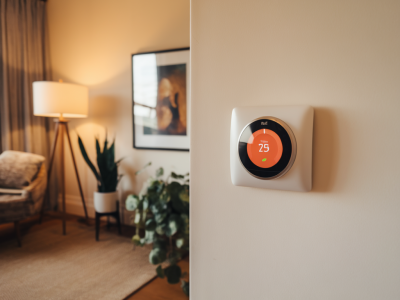
- Consider smart controls that optimise heat pump efficiency (e.g. flow temp schedules, smart thermostats like tado° or Hive can be integrated).
- Plan for future PV or battery integration if you have solar panels or intend to add them — it improves economics.
Outdoor space, noise and planning
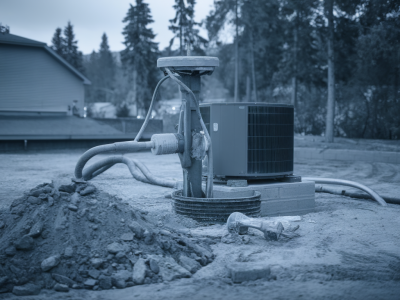
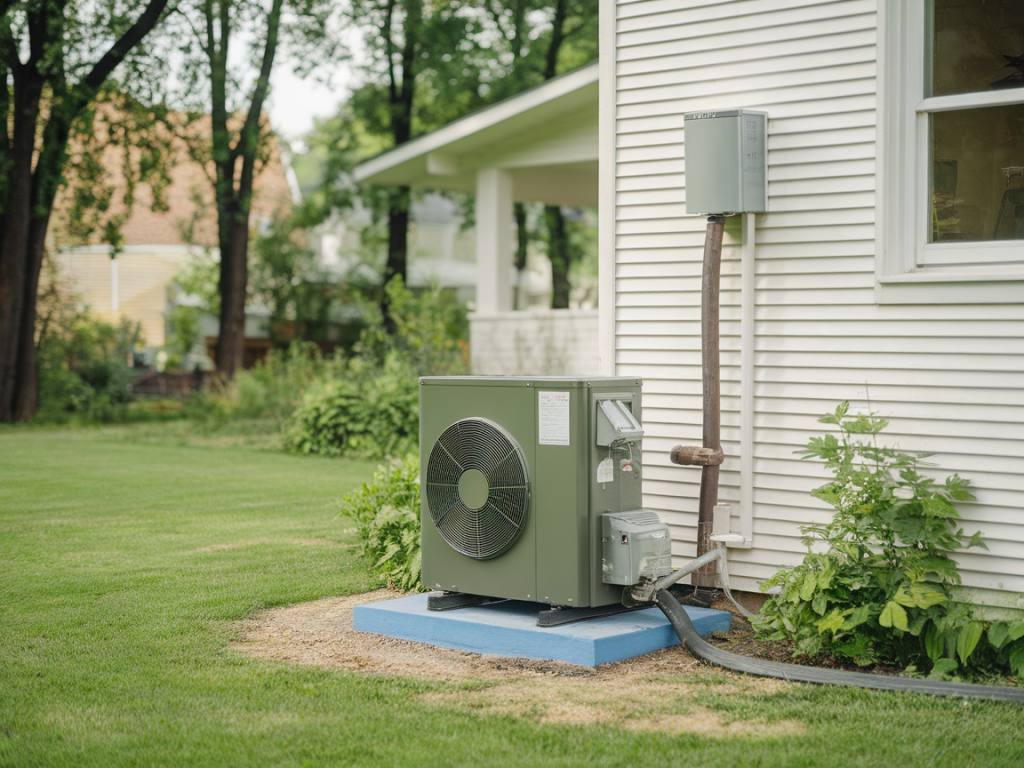
For air-source heat pumps you need a flat, ventilated location for the outdoor unit, usually on a pad or brackets. When I advise people I look for:
- A location at least 1m from walls and windows where possible to reduce noise and vibration issues.
- Neighbours’ proximity — some councils have noise rules; check with your local authority if you’re in a sensitive area.
- Access for maintenance and installers; a tight back garden with no access can increase costs for crane or scaffold if it’s a ground-source or large system.
If you’re in a listed building or conservation area, check planning restrictions — sometimes external units or wall-mounted pipes need permission.
Property type, age and special cases
Different properties pose different challenges:
- Victorian or solid-wall homes often need external or internal insulation to be suitable for low-flow heating.
- Modern, well-insulated homes are often ready with minimal changes.
- Flats: often technically possible but can be more complex due to shared systems and landlord permissions.
- Detached houses: generally easiest to retrofit with space for outdoor units and larger cylinders.
Finance, grants and installer choice
I always tell people to shop carefully. Ask installers for full heat-loss reports, proposed flow temperatures, and radiator sizing. Check installer accreditation — look for MCS certification or TrustMark. Regarding costs and funding:
- Check eligibility for the Boiler Upgrade Scheme (BUS) or local councils’ grants; rules change, so verify current availability.
- Factor in insulation and radiator upgrades to your budget — these often represent a significant portion of retrofit costs.
- Get at least three quotes and compare the system design, not just the headline price.
Final practical checklist to tick off before contacting installers
- Loft insulation at 270mm+ and any cavity wall insulation addressed.
- Windows double/triple glazed and obvious draughts sealed.
- Radiators sized or a plan to upsize them where needed (heat-loss calc completed).
- Hot water strategy: insulated cylinder space identified or combi decision made.
- Outdoor location identified with adequate space and noise margin for neighbours.
- Electrical supply checked for capacity and potential upgrade costs.
- Planning/listed-building constraints checked with local authority if relevant.
- Funding/grants researched and included in budget planning.
- Three or more accredited installers contacted with requests for heat-loss reports.
Switching to a heat pump can be one of the best long-term decisions you make for cost stability and reducing your carbon footprint — but it works best when the house is prepared. If you tick most of the boxes above, you’re likely in a good position. If you haven’t, start with insulation, then move on to distribution and hot water. And when you’re ready to speak to installers, insist on a full heat-loss calculation and a clear explanation of how they’ll size radiators and set operating temperatures — don’t accept a one-size-fits-all approach.