I used to think cutting my heating bills meant one thing: installing a new heat pump. But after a few winters of testing smarter, cheaper approaches—smart blinds, a few behavioural shifts, and some low-cost draught-proofing—I’ve come to believe you can shave a meaningful chunk off your energy bill without ripping out your boiler. In this piece I’ll share what worked for me, what didn’t, and how you can combine technology and simple habits to get real savings.
Why smart blinds matter (and what they actually do)
Smart blinds are more than just a motorised convenience. Depending on the type and how you use them, they can:
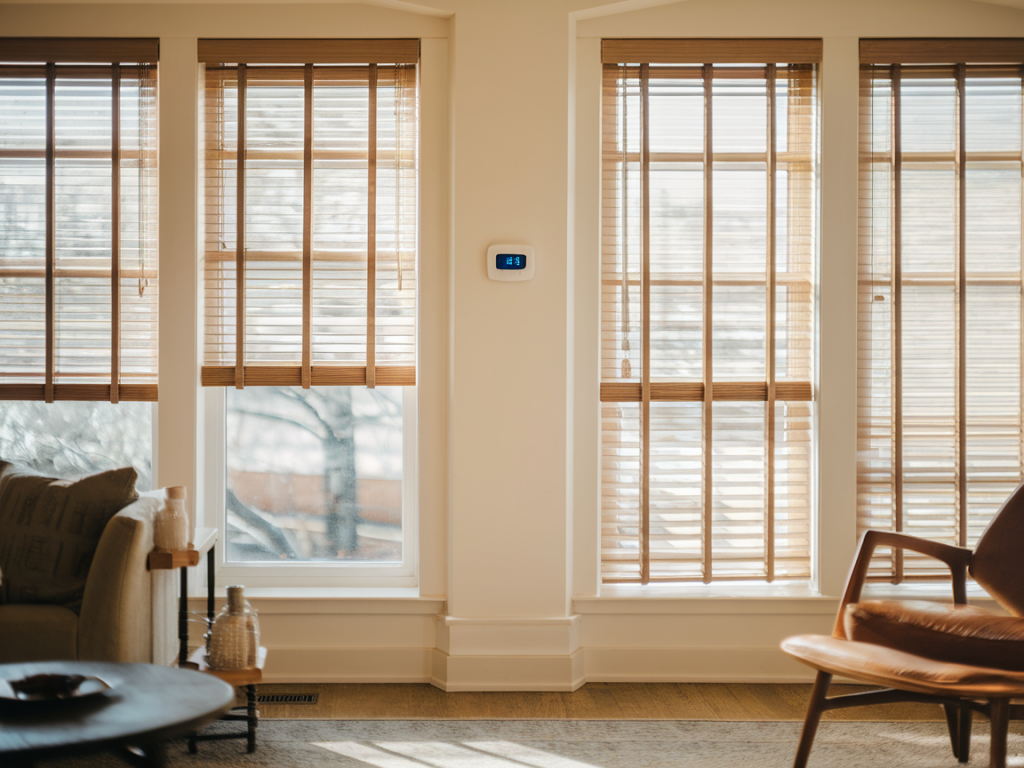
I installed a set of motorised honeycomb blinds (brand names worth looking at: Ikea Fyrtur for budget-friendly motorised options, Hunter Douglas Duette for premium insulating honeycomb, and Somfy as a reliable motor/controller ecosystem). With schedules tied to sunrise/sunset and my weather app, I noticed my living room felt more consistently warm during the day. The key is timing: let the sun in when it’s available, trap that heat when it’s gone.
Simple behavioural changes that add up
Technology helps, but habits move the needle fast. Here are the behavioural tweaks I made that cost nothing and boosted the impact of my smart blinds.
How I automated the workflow
Manually opening and closing blinds defeats the point of smart technology. I integrated my blinds into a simple automation:
I used a smart hub that talks to both my blinds and my thermostat (brands: Home Assistant for DIY flexibility, or commercial ecosystems from Somfy or Google Nest for easier setup). The automation uses local weather forecasts and my phone’s geofence so the house pre-warms when I’m on my way home only if the solar gain won’t suffice.
Real-world savings and expectations
People always ask: “How much will I save?” The answer depends on your home, windows, current habits, and climate. From my experiment and several case studies I reviewed, typical outcomes are:
| Measure | Estimated heating savings | Typical cost | Notes |
|---|---|---|---|
| Smart honeycomb blinds | 5–15% | £80–£400 per window (depends on brand/automation) | Best on south/east/west windows; insulated cells matter |
| Behavioural changes (thermostat setback, zoning) | 5–12% | £0–£100 (smart thermostat) | Very cost-effective when combined with automation |
| Draught-proofing & sealing | 5–10% | £10–£200 | One-time, high ROI on older homes |
| Curtains + nightly closure | 3–7% | £20–£200 per window | Effective after sunset; not as good as cellular blinds |
Combined, those measures can realistically deliver 15–30% off your heating energy usage without a heat pump—sometimes more if your home is leaky or your previous habits were inefficient. In my apartment, pairing two insulated smart blinds with a 1.5°C thermostat setback and basic draught-proofing delivered about a 20% annual reduction in gas use for space heating.
What to buy and where to prioritise spending
If you’re starting with a tight budget, this is how I’d prioritise:
If you have more capital, pick well-insulated cellular blinds (Duette, Luxaflex) with a reliable motor (Somfy, Hunter Douglas). If you want low-cost motorised options, Ikea’s Fyrtur or Tunable roller blinds can be a good entry point. Whatever you choose, check battery life, manual override options and whether they play nicely with the smart home ecosystem you plan to use.
Common mistakes to avoid
I made a few mistakes early on; learn from them:
Quick tips you can implement this afternoon
These small actions are how I started—no major installs, just a few behavioural shifts and one or two strategic smart devices. The effect compounds. You don’t always need a heat pump to make your home warmer and your bills lower; sometimes you need smarter shading and smarter habits.