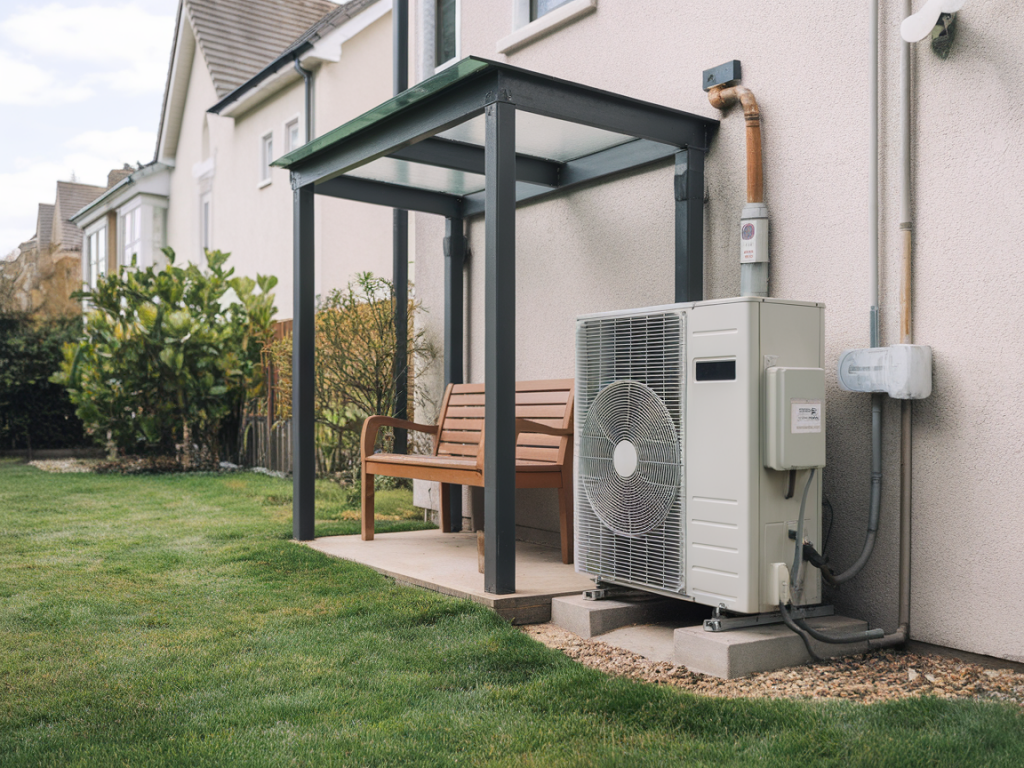
I recently helped a neighbour replace an ageing gas boiler with an air-source heat pump. Watching the first winter bills come through, and sitting through the commissioning day with the installer, I realised how many hidden costs and mistakes can turn what should be a smart, efficient upgrade into an expensive headache. If you're considering a heat pump in the UK, these are the real costs I’ve seen, the mistakes that drive them up, and practical steps you can take to avoid them.
What are the true costs of getting a heat pump wrong?
Most homeowners think of the headline installation price — typically between £8,000 and £18,000 depending on system type, size and complexity — but that’s only the start. In my experience the real costs fall into a few categories:
Upfront extra works: additional insulation, larger radiators or underfloor heating, electrical upgrades, and flue or pipework removal.Operational penalties: higher energy bills from an undersized or poorly commissioned system, or from mismatched controls.Maintenance and repair surprises: premature component failures, refrigerant leaks, or repeated visits by installers.Loss of incentives: failing to meet grant criteria or MCS certification can mean you miss government support or warranty validity.From conversations with installers and homeowners I’ve worked with, these follow-up costs often add £1,000–£6,000 on top of the headline price. In some poorly planned projects I’ve seen costs escalate by more than £10,000 when full heating circuit upgrades and home fabric improvements were required mid-project.
Common mistakes that cause big bills
These are the recurring errors I come across:
Wrong system sizing: An oversized unit will short-cycle and waste electricity; an undersized unit won’t meet demand and forces expensive electric backups or supplementary heating.Poor heat distribution planning: Installing a pump without considering radiator sizes or floor heating output means you won’t hit comfort targets and you’ll need costly modifications.Skipping building fabric upgrades: Heat pumps deliver heat at lower temperatures — if your home is poorly insulated you’ll chase heat with high running costs.Inadequate controls and commissioning: Missing optimisation at commissioning leads to inefficient flow temperatures and reduced seasonal performance (lower effective COP).Choosing the cheapest installer: Low-cost installers may lack MCS certification, poor commissioning protocols, or insufficient aftercare; the “save now, pay later” trap.Ignoring planning and grid impacts: Not checking whether your electrical supply needs upgrading or whether permission for external units is required can cause delays and surprise bills.Typical hidden costs and approximate ranges
| Item | Typical added cost (UK) |
| Upgraded insulation (loft, cavity, draught-proofing) | £500–£5,000 |
| Replacing radiators or adding larger emitters | £500–£3,500 |
| Underfloor heating installation | £3,000–£8,000 (per floor) |
| Electrical consumer unit/upgrades or 3-phase connection | £300–£2,500 |
| Scaffolding or access costs | £200–£1,500 |
| Commissioning or re-commissioning visits | £150–£800 |
| Removal of old heating system & disposal | £150–£800 |
These figures vary by region, property type and installer expertise. I always run through them with homeowners before any contract is signed — transparency here avoids anger later.
How to avoid costly mistakes — my pragmatic checklist
Here’s the exact process I recommend to anyone in the UK thinking about a heat pump. I use this checklist when advising friends and contributors to Energy News:
Start with a whole-home assessment: Get an independent retrofit or energy assessor to check your insulation, windows, and heat loss. If your house needs significant fabric work, do that first — it often pays back faster than higher heating bills.Ask for heat-loss calculations (not just kW quotes): Proper sizing requires accurate heat-loss (W/m²K) numbers. If an installer can’t supply this, walk away.Compare system design, not just price: Look at flow temperatures, COP expectations at real-world temperatures, backup heating strategy, and control architecture. Two installers can quote the same price but deliver completely different performance.Check certifications and references: Choose MCS-certified products and installers where possible. Ask for recent references and inspect a completed installation if you can.Get a clear scope of works: The contract must list every extra (electrical work, scaffold, radiator swaps) and who pays if unforeseen issues are found.Request a commissioning and handover protocol: Insist on a commissioning session where the installer demonstrates controls, explains the heat curve, and leaves written settings. If they rush this, your system will underperform.Investigate grants and VAT rules: Look into available government support — for example, schemes like the Boiler Upgrade Scheme or ECO funding — and whether reduced VAT applies to certain works. Apply early and ensure paperwork is in the installer’s contract.Plan for electrical upgrades: Confirm whether your consumer unit or supply needs a boost. A surprise call from the DNO for an expensive connection works will ruin budgets.Think long term about maintenance: Ask for detailed warranty terms and what is covered (compressor, inverter, refrigerant). Ask about annual service costs; routine maintenance maintains efficiency and reduces lifetime cost.Insist on smart controls: Weather compensation, zoning and smart thermostats reduce running costs. Make sure the controls are compatible with future upgrades and your lifestyle.Questions you should ask every installer
Bring these to your quotations meeting — they separate professionals from salespeople:
Can you provide a full heat-loss report and the calculation used to size the heat pump?What COP can I expect at UK winter temperatures (e.g., at 0°C and 5°C)?What flow temperatures will you design the system to operate at?Which brand and model are you proposing, and do you have a local reference installation?Are you MCS-accredited and what warranties do you provide?What is included in the price (electrical upgrades, radiators, commissioning, paperwork for grants)?Who will handle aftercare, and what is the availability for emergency call-outs?Real-life example — lessons from my neighbour’s install
We learned three practical lessons from my neighbour’s install that apply to most homeowners:
Do the fabric work first: They upgraded loft insulation before switching and reduced required pump size by a full kW, saving on the capital cost.Negotiate fixed prices for extras: Their contract included a capped price for electrical work — no nasty surprises when the supplier needed a minor upgrade.Demand commissioning evidence: Insist the installer leaves the commissioning sheet and demonstrates the heat curve and thermostat programming — otherwise you’ll toggle blindly and waste energy.Moving to low-carbon heating is an investment in comfort and future bills. Done right, it reduces emissions and can lower running costs. Done poorly, it becomes a long-term money trap. Follow these steps, ask the right questions, and you dramatically reduce the chance of expensive mistakes.