I’ve spent a lot of time thinking about how home batteries fit into real people’s lives — not just as shiny gadgets, but as practical tools during extreme events like consecutive winter blackouts. If you’re asking, "Can a Tesla Powerwall save me money during long, repeated winter outages?" the short answer is: sometimes — but it depends on how you use it, how it’s sized, your energy consumption patterns, your local tariffs and incentives, and whether you pair it with solar. Let me walk you through what I’ve learned and how to evaluate whether a Powerwall makes financial sense for you.
What a Powerwall actually does during a blackout
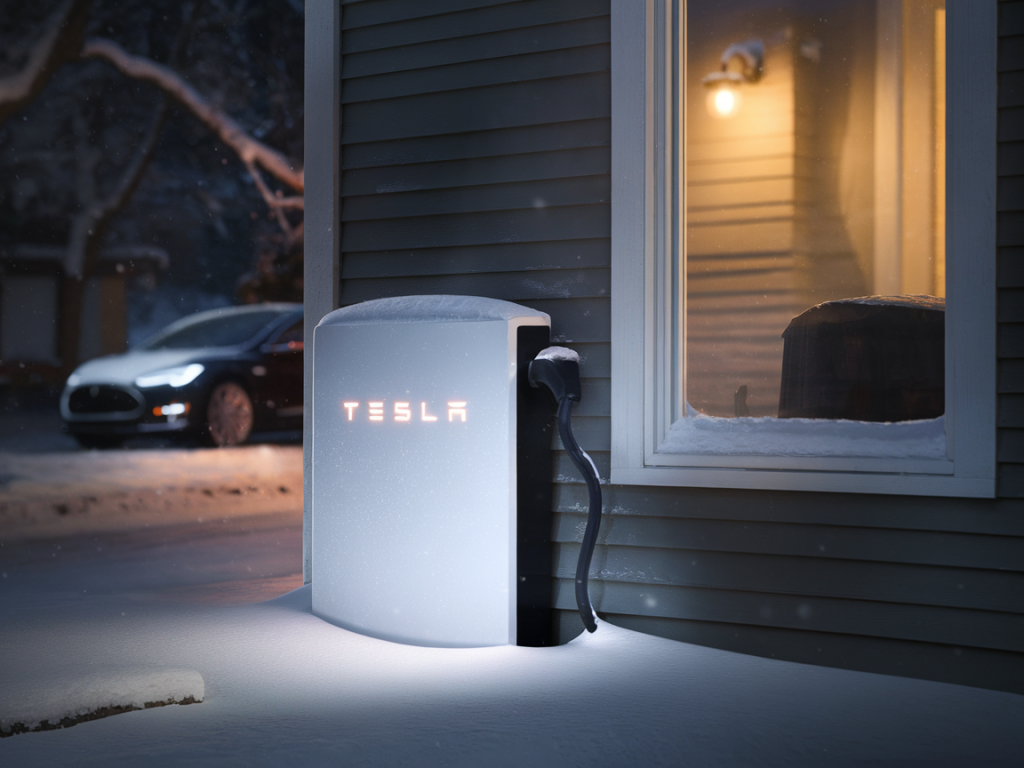
The Tesla Powerwall is a lithium-ion battery system designed to store electricity and deliver backup power during outages. In a winter blackout, it will keep critical loads running — lights, fridge, some heating and communications — depending on how much energy you draw. The Powerwall has an AC coupling mode, a usable capacity around 13.5 kWh (for Gen 2/3 units), and an inverter that seamlessly switches to backup supply when the grid goes down.
Practically, that means a single Powerwall can supply an average UK home for a limited time if you’re frugal: perhaps several hours to a day under heavy heating loads, or longer if you selectively power only essentials. For consecutive blackouts — multiple days in a row — the battery will recharge only if you have an on-site renewable source (like solar PV) or a generator. Without recharge, it will simply run down and offer no further protection.
Key factors determining cost savings
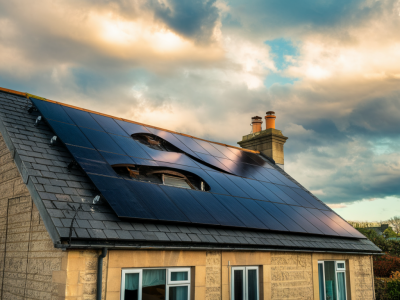
- Presence of solar PV: If you have solar PV, a Powerwall can store excess daytime generation to use during evening/night blackouts. That’s the scenario with the best chance of saving money across repeated outages.
- Tariff structure: Time-of-use (TOU) tariffs, high-priced peak periods, or high import costs increase the value of stored energy. Arbitrage (charging when cheap, discharging when expensive) can improve returns during normal operation.
- How you use it: Are you using the Powerwall for backup-only, daily cycling for bill savings, or a hybrid approach? Daily cycling to reduce grid imports often yields better economics than backup-only systems that sit idle most of the year.
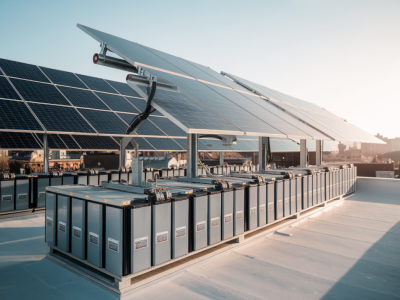
- Size of the system: One Powerwall (~13.5 kWh) may not be enough for prolonged winter outages. Multiple units increase resilience but also add cost.
- Heating type: Electric heating (especially resistance or storage heaters) consumes a lot of energy — quickly depleting a battery. Heat pumps are more efficient and extend the battery runtime.
- Incentives and installation costs: Local grants, VAT rules, and installation complexity affect payback times. In the UK, some measures and schemes can reduce initial outlay.
Practical scenarios: What I’d expect in a UK winter blackout
Here are a few scenarios that I think are helpful to picture:
- House with solar + one Powerwall: If you keep essential circuits only, and your solar generates enough during daylight to recharge the battery, you can ride through multiple consecutive outages. The Powerwall allows you to shift solar energy to when you need it most, reducing diesel generator use or expensive grid imports when supply returns. This scenario has the best chance of delivering cost savings over repeated blackouts.
- No solar, one Powerwall: You’ll get reliable short-term backup for a few hours to a day. Consecutive blackouts mean no recharge, so the monetary value is largely insurance — you save on food spoilage, hotel costs, and lost work, but not on energy bills unless you avoid very expensive imports. Financial payback is unlikely unless you regularly endure blackouts.
- Multiple Powerwalls + heat pump: This setup increases resilience and extends coverage. If your goal is to maintain home comfort for days, it can be effective — but the upfront capital is high. Savings during repeated blackouts come mainly from avoiding alternative fuel costs and damage, rather than direct energy bill reductions.
Quick cost comparison example
Below is an illustrative table showing simplified costs and outcomes — use it as a starting point to plug in your own numbers.
| Scenario A: No Solar | Scenario B: PV + 1 Powerwall | |
|---|---|---|
| Initial battery cost (installed) | £9,000 | £9,000 + £5,000 (PV share) |
| Usable backup capacity | 13.5 kWh | 13.5 kWh + daytime recharge |
| Typical blackout coverage (essential loads) | 6–12 hours | multiple days (with sun) |
| Annual bill savings (arbitrage & self-consumption) | £50–£200 | £300–£700 |
| Primary financial value | resilience/insurance | resilience + electricity bill savings |
Note: numbers vary wildly by installation cost, local prices, ceilings and heating. This table is illustrative, not definitive.
How to maximize savings and resilience
- Install solar PV — if you want to see real financial returns and survive consecutive winter blackouts, pairing a Powerwall with solar is the most effective route. Daytime generation recharges the battery and reduces grid dependence.
- Prioritise efficient heating — swap resistance heaters for a heat pump or improve insulation. Less energy demand means fewer batteries are needed to cover blackouts.
- Use smart operating modes — Tesla’s software allows you to choose backup-only, self-powered (maximising self-consumption), or time-based control for arbitrage. Time-based control can reduce bills if your tariff supports it.
- Right-size the system — think in kWh of daily usage and outage duration. If you want multi-day outages covered without solar, multiple Powerwalls are necessary — and costly.
- Consider hybrid solutions — combining a small generator for extended outages, or a micro-CHP system, can be cheaper than multiple batteries in some cases.
Real-world value: beyond straight payback
When I talk to homeowners and small businesses, they often emphasise non-financial benefits: peace of mind, keeping a freezer running, maintaining communications, and avoiding hotel stays. These benefits matter. If consecutive winter blackouts are a recurring risk where you live, the "insurance value" of a Powerwall may justify the investment even if direct monetary savings are modest.
Finally, the market is evolving. Battery prices have fallen, software is improving, and new incentives pop up. If you want a precise answer for your home, my recommendation is to get a site-specific assessment: estimate your critical load (kW and kWh), check local tariffs, model solar generation, and get quotes for hardware+installation. That will show whether a Powerwall will truly save you money — or simply give you invaluable resilience.