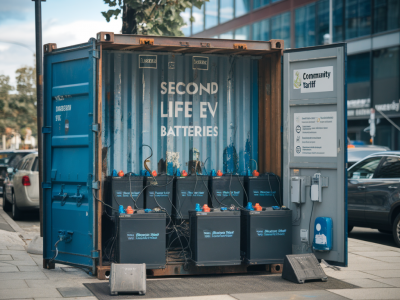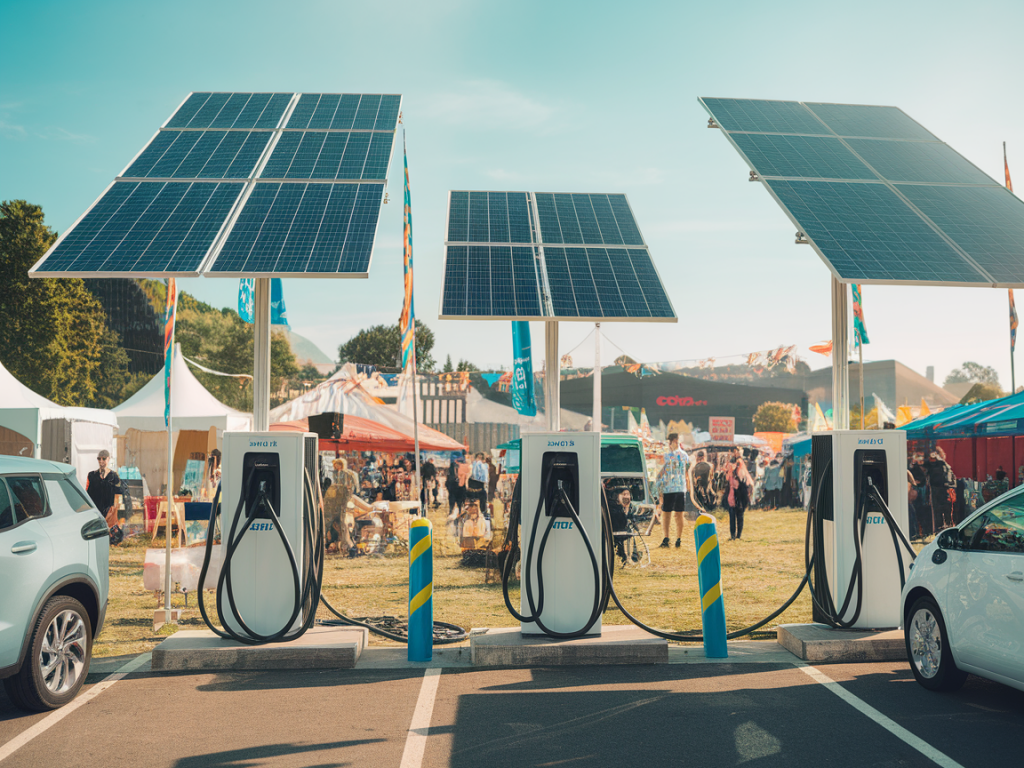
I often get asked by festival organisers and event operators how to provide rapid EV charging on-site without relying on grid upgrades. Over the past few years I've helped design several pop-up charging hubs powered primarily by local solar and battery storage. In this article I walk you through the practical steps, trade-offs and real-world considerations so you can decide whether a solar + battery rapid charging hub is right for your next event — and how to set one up efficiently.
Why consider a pop-up solar + battery rapid charging hub?
From my experience, events are an ideal use-case for mobile renewable charging. You avoid expensive and time-consuming grid reinforcement, reduce operating emissions compared with diesel generators, and offer attendees a visible sustainability benefit. Add to that the marketing value — a branded charging zone is a tangible demonstration of commitment to green practices — and it becomes an attractive proposition for operators.
Start with clear objectives
Before diving into equipment specs, I always define three things up front:
Site assessment and permissions
I always visit the site early. Key things I look for:
Don’t forget to check with local authorities and event insurance providers about permits, electrical inspection requirements, and health & safety obligations. You might need a temporary works permit, and some venues will insist on a certified electrical contractor for connections.
Sizing the system
Here’s how I approach sizing in practice:
Real-world constraint: chargers draw high instantaneous power. Even if your event only consumes 2,000 kWh, you still need converters and batteries capable of supporting the peak power demand. That typically determines capital costs more than total kWh.
Key components and recommended technology
From what I've deployed, a reliable pop-up rapid charging hub typically includes:
How I design the energy flow
My typical energy flow prioritises solar first, then battery, then generator/grid:
An EMS orchestrates that sequence. It also lets you set pricing strategies (e.g., off-peak discounts) and revenue tracking for organisers.
Operations: staffing, ticketing and payments
Running a pop-up rapid charging hub requires both technical and customer-facing staff. I recommend:
I’ve used RFID/CPO portals and credit card tap payment kiosks. Integrating with roaming networks (e.g., Hubject) helps visitors use existing EV charging apps to find and pay for your chargers.
Safety, grounding and fire risk management
Battery and DC charging introduce unique risks. Don’t cut corners:
Costs and simple ROI considerations
Costs vary widely depending on scale, but typical budget lines include solar trailers or deployed panels (£10k–£50k+), container battery systems (£50k–£250k+), DC chargers (£10k–£100k each depending on power), and site logistics. For many event operators, the project becomes viable when charging fees, sponsorships, and brand partnerships offset capital and operating expenses. Charging hubs can also be monetised via VIP packages or corporate sponsorship aligned with sustainability goals.
| Charger power | Typical session energy | Estimated 0–80% time (mid-range EV) |
|---|---|---|
| 50 kW | 20–40 kWh | 30–50 minutes |
| 150 kW | 20–80 kWh | 15–30 minutes |
| 350 kW | 40–150 kWh | 10–20 minutes |
Metrics to track and communicate
I recommend reporting these during and after the event to stakeholders:
When I present these metrics to clients, they love the tangible story: “X kWh delivered, Y kg CO2 avoided.” That transparency helps secure future sponsorships and local authority support.
Final practical tips from the field
From my deployments, these practical tips save time and headaches:
If you want, I can help sketch a simple load and battery sizing example for your specific event (number of attendees, expected EV share, desired charger count). That’s the fastest way to turn this concept into a budget and equipment list you can take to suppliers.